
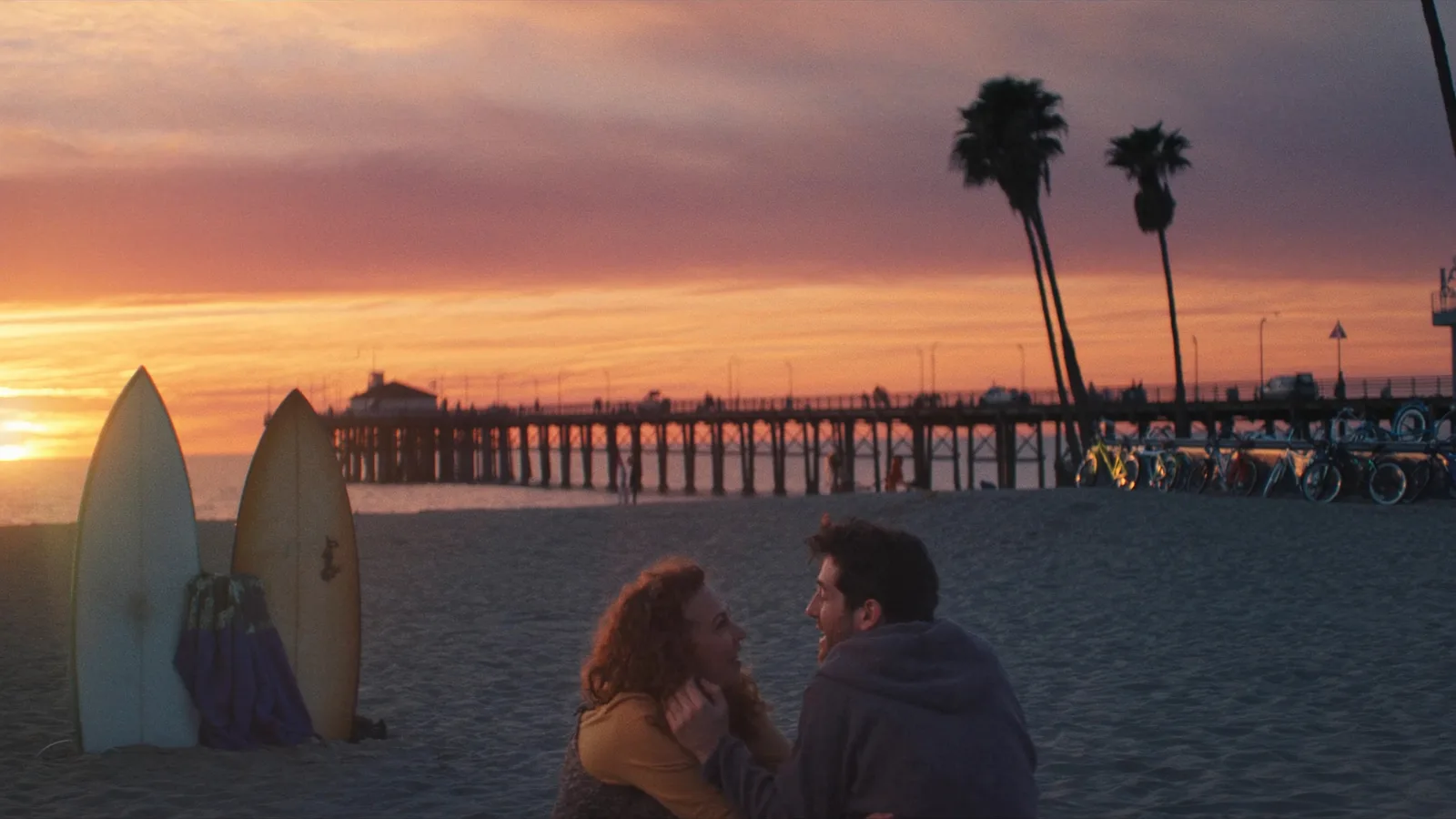
San Diego hookups are shaped less by nightlife and more by geography. The city is a long strip of coastline stitched to a set of inland neighborhoods by freeways, and where you live decides who you realistically meet. Someone in Pacific Beach and someone in North Park are twenty minutes apart on paper, but on a Friday night with beach traffic and a parking hunt on the other end, that gap turns into a real decision.
This guide is for people who want to understand how casual dating actually works here in 2026: which neighborhoods carry which scenes, how the car-first layout changes the way people meet, what the seasons do to the city, and how apps fit into all of it. It describes areas and types of places rather than specific venues, because the bars change every year and the neighborhoods do not.
How people meet in San Diego: the neighborhood map
San Diego is not one dating market. It is four or five smaller ones, and locals read the neighborhood the way people in other cities read someone's job title.
Pacific Beach is the beach-bar scene. Garnet Avenue and the blocks toward the boardwalk fill up with a crowd that skews early to mid-twenties: recent grads, service-industry workers, people who moved here for the ocean and a roommate situation. The energy is loud, sunburned and social. It is the easiest neighborhood in the city to talk to a stranger, and the one where a night out most often ends with a walk along the boardwalk. It is also the neighborhood with the highest turnover of visitors in summer, which matters for anyone hoping to meet someone who will still be around in September.
North Park is the craft-beer and creative scene. The stretch along 30th Street and University Avenue is dense with taprooms, cocktail bars, small music rooms and late-night taco spots. The crowd runs late twenties to late thirties, with more tattoos, more bicycles and more conversation than Pacific Beach. This is where a first drink is expected to be a real conversation, and where people are more likely to have moved from a beach neighborhood once they got tired of the noise.
The Gaslamp Quarter is downtown nightlife: rooftop bars, clubs, restaurants with big patios, and a crowd that mixes locals with convention attendees, bachelor parties and people staying at hotels near the ballpark. On a normal weekend it feels like a downtown anywhere. During large conventions in summer, it turns into a temporary city of visitors who are here for four days and open to whatever those four days bring. Locals treat the Gaslamp as a place for a big night out, not a place to run into neighbors.
Hillcrest is the LGBTQ+ heart of San Diego and one of the densest bar-and-cafe strips in the city, centered on University Avenue. It draws every age and orientation, and it is the neighborhood where casual dating is talked about most openly. For queer men in particular, Hillcrest is still where the scene concentrates, even as it spreads into North Park next door.
Around these four, smaller scenes matter: Ocean Beach for the laid-back surf crowd, Little Italy for a polished cocktail-and-dinner night, La Jolla and the university area for students and people who work in biotech.
Cars, traffic and why people date close to home
San Diego has a trolley system, and the line to the university campus and the mall district on the north side made a real difference for students. For most people, though, the honest description is that this is a car city. Nightlife neighborhoods are strung along freeways, parking in Pacific Beach on a summer evening can take longer than the drive, and rideshare from the beach to North Park at closing time is priced like a short flight.
The practical effect on casual dating is simple: people meet within their own cluster. Beach people date beach people. North Park and Hillcrest overlap so much that they function as one scene. Downtown and the Gaslamp draw from everywhere but keep few regulars. When you set a distance on a dating app here, five to eight miles is usually the real ceiling for a weeknight, and a match across the county is a match you will text with for a month before either of you commits to the freeway.
The other structural fact is the military. Naval and Marine bases ring the city, and a large share of men in their twenties here are enlisted, recently out, or working around the bases. Their schedules run on deployments, early mornings and short windows, which makes clear, direct communication about what you want more normal in San Diego than in many cities.
San Diego hookups: what casual dating looks like locally
Casual dating in San Diego is daytime-heavy compared to colder cities. The mild weather means that a first meeting is as likely to be a beach walk, a coffee near the cliffs or a late-afternoon beer on a patio as it is a 10 p.m. bar. That sets a relaxed pace, and it also means that the "let's just see what happens" first date is genuinely common here, because the environment does a lot of the work.
Seasons still matter. May and June bring the gray marine layer that locals joke about, and the beach neighborhoods go quiet in the mornings. July and August bring visitors, packed boardwalks and a Gaslamp full of out-of-towners. September and October are the local secret: warm water, clear skies, students back at the two big campuses and fewer tourists. Winter is mild enough that nothing really shuts down, but the beach bars thin out and North Park and Hillcrest pick up the slack.
Students shape the scene too. The university in La Jolla and the state university in the College Area put tens of thousands of people in their early twenties into the mix, but their nightlife is mostly local to their own areas and to Pacific Beach. Young professionals concentrate in North Park, Little Italy and the newer apartment buildings downtown, and their scene is slower, more app-driven and more likely to involve a planned drink than a random encounter.
How apps fit in a spread-out city
Apps solve the specific problem San Diego creates: a lot of interesting people, spread across a coastline, most of whom stay in their own neighborhood most nights. Rather than hoping the right person is at the same bar in Pacific Beach, an app lets you filter by distance and by what someone is actually looking for.
That last part is where intention tags matter. A profile that says upfront whether someone wants something casual, ongoing, or undefined saves both people a week of vague messaging. Flava is a casual dating app built around that idea, with anonymous registration, selfie-verified profiles, private albums and screenshot protection; the broader pattern across the city is that people increasingly expect to know the intent before the first drink, not after the third.
Whatever you use, set the distance to what you would actually drive on a Tuesday, put your neighborhood in your profile, and be honest about the timeline. In a city where "want to meet up?" often means "are you willing to cross the 5 at rush hour?", specificity is a courtesy.
First-date formats that work in San Diego
The sunset walk plus one drink. Meet at a beach or on the cliffs around an hour before sunset, walk for thirty or forty minutes, and let the decision about a drink happen naturally. It is low-pressure, public and easy to end early. In Pacific Beach or Ocean Beach the walk leads straight into the bar strip; in La Jolla it leads to a quieter dinner.
The taproom-to-tacos loop in North Park. One beer at a taproom, a walk along 30th Street, and late-night tacos if the conversation is still going. The neighborhood is dense enough that the whole thing happens on foot, which solves the parking problem and gives both people an easy exit.
The daytime coffee-and-neighborhood date. Especially in Hillcrest, a weekend coffee that turns into browsing shops and a second stop is a normal way to test chemistry without the pressure of a night out. It also works for people whose schedules run early, which in a base town is a lot of people.
Honesty and safety, San Diego edition
The best thing about casual dating here is that the culture is fairly direct. Use that. Say what you want before you meet, and expect the same in return. If you are only in town for a convention or a weekend, say so; locals in the Gaslamp have heard every version of "I'm here for work" and appreciate the honest one.
For a first meeting, pick a public place in a neighborhood one of you knows, tell a friend where you are, and share your location for the evening. Do a quick video call before you drive across the county for someone; it takes a minute and it confirms the person matches the photos. The general playbook in how to stay safe on dating apps applies word for word here, and hookup etiquette covers the follow-up: a short, kind message the next day, whether or not you want a repeat.
Frequently asked questions
Which San Diego neighborhood is best for meeting people casually? It depends on what you want. Pacific Beach is the easiest place to talk to a stranger and skews early twenties. North Park suits people who want a real conversation over a beer. The Gaslamp is for big nights out and visitors. Hillcrest is the center of the LGBTQ+ scene and the most openly casual-dating-friendly area in the city.
Do I need a car to date in San Diego? Not strictly, but it helps. The trolley covers the university and downtown corridor, and North Park and Hillcrest are walkable once you are there. Most people still date within a few miles of home because crossing the city on a weeknight is a commitment. If you are car-free, a walkable neighborhood is the best move for your dating life here.
When is the best season to meet people in San Diego? Late summer into fall. September and October combine warm water, clear skies, students returning to campus and fewer tourists than July and August. Summer is the busiest for nightlife but also the most transient, especially downtown and in Pacific Beach. Winter is mild, and the inland neighborhoods carry the scene while the beach bars slow down.