
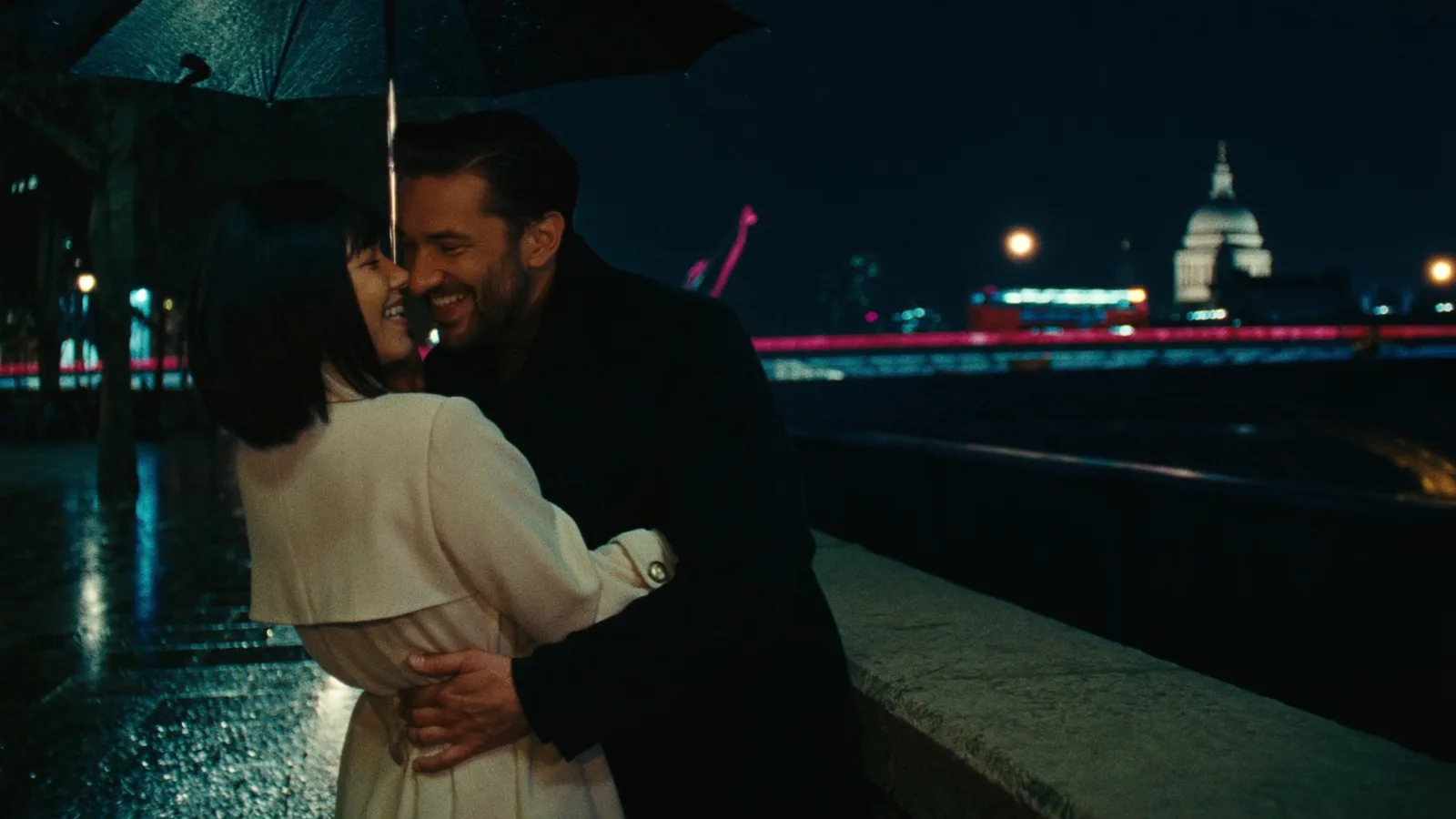
London hookups, casual dates and everything in between run on a combination of postcode tribes, after-work pub culture, and a market so crowded that the hard part isn't finding people — it's signalling clearly enough to be worth a reply. Most of it now starts on dating apps in London rather than at the bar, and a first date here is far more likely to be a pint near the station, a wander round a market, or a walk on the Heath than a candlelit dinner. The city's geography — zones, night-tube lines, the forty-minute negotiation between north and south — shapes who meets whom, and how often anyone can be bothered to cross the river.
This guide explains how casual dating actually works in London in 2026: which areas map to which scenes, where Londoners meet now, and how to cut through the noise of an oversaturated market without turning dating into a second job. It's local context, not generic app advice with a postcode bolted on.
Dating in London: how it actually works in 2026
London dating isn't one market — it's dozens, separated by zones, lines, and a deeply held belief that anything past Zone 2 is "a bit far". Someone in Hackney and someone in Clapham are technically a thirty-minute ride apart, but the social journey between them is closer to a full evening's commitment, and both of them know it. That logistics reality quietly decides who Londoners actually end up dating: people on their own side of the river, near their own line.
The other thing locals will tell you is that London dating happens after work. The default meeting point isn't a dinner reservation; it's the pub at half six, with colleagues peeling off until it's just the two of you. The after-work pint is the city's native first-date format — low stakes, easy to leave, no big production. That casual pace suits a city where everyone is busy, slightly knackered, and reluctant to over-commit before they've met you once.
This is where apps come in. London is one of the most app-saturated dating markets anywhere, which is both the opportunity and the problem. The big mainstream apps optimise for swipe volume, so Londoners end up with stacks of matches that go nowhere — lots of low-signal conversation, lots of slow fades, lots of "we should get a drink" that never lands. The fix most people land on in 2026 isn't another mega-app; it's a clearer one, where intent is stated up front so the first message isn't a guessing game.
The age range has widened, too. Casual dating in London isn't just a graduate-flatshare phenomenon anymore — it runs from people in their early twenties to professionals in their thirties and well beyond, across every area in this guide. The postcode tells you more about the vibe of a date than the age of the person you're meeting.
The area map: where to date depending on what you want
London's dating scene is postcode-coded in a way that surprises people who've only dated in smaller cities. The area you pick to meet in says almost as much about the date as the person across the table. Locals read these signals automatically. If you're new to the city, the map below is the cheat sheet.
East: Shoreditch, Dalston, Hackney
East London is where a lot of London's casual-dating gravity sits. Shoreditch is the going-out heartland — late bars, rooftops, a crowd that skews mid-twenties to mid-thirties, working in tech, design, and media. First dates here often start in a cocktail bar off Curtain Road and drift toward wherever's still open. The vibe is dressed-up-casual: people make an effort, but they'd never admit to it.
Dalston is the louder, later, more music-led version — Kingsland Road is wall-to-wall with bars and basement venues, and the dating crowd is younger and more come-as-you-are. Dates here are often group-adjacent: it's normal to get introduced to three of someone's mates mid-date because they happened to be in the same bar. Hackney proper — Broadway Market, London Fields, the canal — is the slightly-more-settled East London option, where a Saturday market wander doubles as a low-pressure first date.
Central: Soho
Soho is London's neutral ground — the area everyone can get to, which makes it the default for a first date when nobody wants to commit to crossing the city. It's dense with small bars, old pubs, and late-night spots, and the crowd is genuinely mixed: every postcode passes through Soho eventually. It's historically the heart of queer London too, with Old Compton Street still anchoring a big slice of the city's gay and queer dating. The Soho first date is the safe central bet — easy to reach, easy to leave, easy to extend if it's going well.
South: Clapham, Peckham
South London is where the residential-but-social scene lives. Clapham is the after-work-pints capital — a crowd of late-twenties professionals, pubs around the Common, and a dating culture that's friendly, busy, and a bit predictable in the best way. First dates here are pub-led and walk-the-Common-afterwards. Peckham is the cooler, more creative counterweight: rooftop bars, a younger art-and-music crowd, and a scene that's grown fast over the last few years. A Peckham date trades Clapham's polish for something looser and more interesting.
North: Camden
Camden is the music-and-markets postcode — pubs with bands on, the market for a daytime wander, the canal for a walk that pretends not to be heading anywhere. The crowd is mixed-age and unpretentious, and the dating frame is casual by default. A Camden first date is rarely a big production, which is exactly why it works.
The pattern across all these areas: pick the one that matches the version of yourself you want to bring to a date. People who try to date across postcode codes — Soho polish with a Dalston crowd, Clapham pints with a Shoreditch frame — tend to find the chemistry doesn't transfer cleanly. And almost nobody volunteers to cross the river twice.
London dating culture and how to stand out
The honest answer to "where do singles meet in London" in 2026 is: apps first, then the residual of organic meeting on top — friends-of-friends, the pub, the run club, the climbing gym, the person you keep seeing at the same market. But apps dominate, because in a city this big and this busy, an app does in an evening what a friend group might take a year to manage.
The catch is saturation. London's dating-app market is so crowded that the average match means very little — it's a maybe, not a yes. That's why standing out matters more here than almost anywhere. The thing that cuts through isn't a cleverer opening line; it's clarity. People who are upfront about what they're after — something casual, no strings, open-ended, or just seeing how it goes — get better, faster, less awkward conversations, because the other person isn't spending three days trying to decode the signals.
This is where honest-intent apps with lifestyle tags earn their place. Instead of swiping blind and hoping your goals line up, you match on profiles that already say what someone wants and what they're into. That tagging strips out the friction that makes mainstream-app dating in London feel like admin. If you're still working out your own frame first, this guide on what casual dating actually means is a good place to start, and no strings attached, explained covers the version where everyone agrees to keep it light.
A natural fit: how Flava works for London dating
Flava is built for exactly this problem — casual dating without the guesswork, in a city where the guesswork is the worst part. A few things make it suit London specifically.
Registration is anonymous: you sign up without a phone number, email, or Apple ID, so you can date around your own neighbourhood without your profile being tied to your real-world contact details. In a city where your matches might live three streets away, that privacy genuinely matters.
Profiles are real. More than 90% of profiles are selfie-verified, which takes a big chunk of the "is this even a real person" anxiety out of London's high-volume swipe culture. Screenshot and screen-recording protection means your photos and chats stay in the app, and private albums let you decide who sees what, when. Incognito mode lets you browse without broadcasting that you're online — useful if your dating pool overlaps with your local or your office.
Lifestyle tags are the honest-intent layer: you set what you're looking for and what you're into, so matches start aligned instead of starting from zero. And Poke lets you send a direct message before matching — so if someone catches your eye, you can open with something real rather than waiting in a queue of identical "hey"s. In a saturated market, being the message that actually says something is how you stand out. Get Flava free and see who's nearby.
A safety note that applies anywhere, London included: keep early chats in-app, meet somewhere public and central for the first date, and tell a mate where you're going. This guide on staying safe on dating apps covers the rest.
Date ideas that work in London
The good London first date plays to the city's strengths and dodges its weaknesses. Strengths: pubs, markets, parks, walkable neighbourhoods, things on at all hours. Weaknesses: distance, the river, and the way a "quick drink" can turn into a ninety-minute round trip on a replacement bus.
The after-work pint is the default for a reason. A 6.30 start at a good pub — the proverbial table near the back — gives you a low-stakes, easy-to-leave first date with a natural escape hatch and an easy upgrade if it's going well. Pick a pub near a station you both can reach and you've removed the only thing that actually kills London dates: the journey.
The market wander is the daytime equivalent. Borough, Broadway Market, Maltby Street, Columbia Road on a Sunday — built-in things to look at, easy conversation prompts, coffee and a pastry as the structure, and a clean exit whenever. It's the low-pressure first date that doesn't feel like an interview.
The park walk is the London move that always works when the weather cooperates. The Heath, Victoria Park, Clapham Common, Greenwich, the canal from Camden to Angel — free, outdoor, and naturally paced, with a pub at the end as the reward. The walk does the social-lubricant work that conversation otherwise has to do alone.
What doesn't work: the fancy dinner neither of you knows, the cocktail bar someone read about in a list across town, the vague "let's see what happens" with no plan and no postcode. London punishes under-planning — pick the place, pick the time, keep it local, keep it short. You can always make it longer.
What makes casual dating in London different
Three structural factors make London's casual-dating scene distinct, and they all feed into each other.
The first is scale and saturation. London's dating pool is enormous, which sounds like an advantage and is really a sorting problem. With so many matches and so little signal, the people who do well are the ones who narrow the field fast — by area, by schedule, and above all by stated intent. Volume isn't the constraint here; clarity is.
The second is geography. London's zones and the north-south river divide make the dating market more fragmented than it looks on a map. People date within their own cluster more than the city's size would predict, because the friction of crossing town is real and the cultural codes between, say, Shoreditch and Clapham are genuinely different.
The third is the after-work rhythm. London socialises around work and the pub, which means the native unit of a first date is the casual weeknight drink, not the weekend production. That suits casual dating perfectly — low-stakes, repeatable, easy to walk away from — but it also means the slow fade is common, because the social cost of letting a weeknight match drift is basically nil.
Layer all three together and you get a city where casual dating is more app-driven than almost anywhere, but the dates themselves stay small, local, and low-key. The "London hookup culture" question gets asked a lot, and the honest answer is that it exists but it's not as central as the reputation suggests — the bigger pattern is casual dating that runs light by default, where the people who enjoy it most are the ones being upfront about what they want. For the full playbook on doing that well, see the complete casual dating guide for 2026.
Dating apps in London: how to actually use them here
Dating apps in London reward people who treat them like a filter, not a slot machine. The first setting worth touching is intention: if the app lets you tag what you're after — something casual, a hookup, FWB, open to whatever — use it, because a stated intent saves you a week of decoding and quietly removes the people who wanted something else.
The second is verification. London has enough volume that fake and recycled profiles are a real share of any stack, so lean on apps where a large majority of profiles are selfie-verified and treat an unverified profile with no recent photos as a maybe at best. Flava, for what it's worth, verifies more than 90% of profiles by selfie and lets you set lifestyle and intention tags before you match.
Third: radius. Set it smaller than feels natural. A match in Walthamstow is not a match if you live in Tooting; London's real dating radius is one tube line or a short bus, and matches inside it actually turn into meets.
Finally, the move to the pub. Three or four exchanged messages with a plan in them beats three days of banter. Suggest a specific pub near a station you can both reach, on a weeknight at half six, with an honest "happy to make it a quick one". If someone won't commit to a place and a time after a few messages, they were never going to.
Keep reading
- What is casual dating? — the definition, the boundaries, and how to keep it healthy.
- No strings attached, explained — the most common casual frame, and how to set it up honestly.
- How to stay safe on dating apps — the basics worth getting right before any first date.
- Casual dating apps in the UK: how to choose — the four checks that matter before you download, plus every city guide.
- Casual dating in Manchester — the compact, walkable northern scene and how it differs from London.
- Casual dating in Brighton — an hour down the line, and casual by default.
Frequently asked questions
Where do people find hookups in London? Mostly on apps. London hookups rarely start with a cold approach in a bar any more — people match on an intention-tagged app, confirm the other person is verified and real, and meet for a quick drink somewhere central and public. Shoreditch, Dalston and Soho nightlife still produces spontaneous meets, but the app is the front door.
Is London good for casual dating? Yes, with caveats. The market is huge, the after-work pub culture makes low-pressure first dates easy, and the area diversity means there's a scene that fits most personalities. The caveats are saturation, the slow fade, and the distance friction that makes anyone think twice about crossing the river. For people who lean casual and stay clear about what they want, London is one of the easiest cities to date in. For anyone who wants slow, serious, one-area dating, the volume can feel like noise.
How do I stand out on dating apps in London? Be clear about your intent. In a market this saturated, the thing that cuts through isn't a clever opener — it's being upfront about whether you want something casual, no strings, or open-ended, so the other person doesn't have to decode you. Apps with lifestyle tags and verified profiles help, because they let matches start aligned. A specific first-date plan near a station you both can reach beats a vague "we should get a drink" every time.