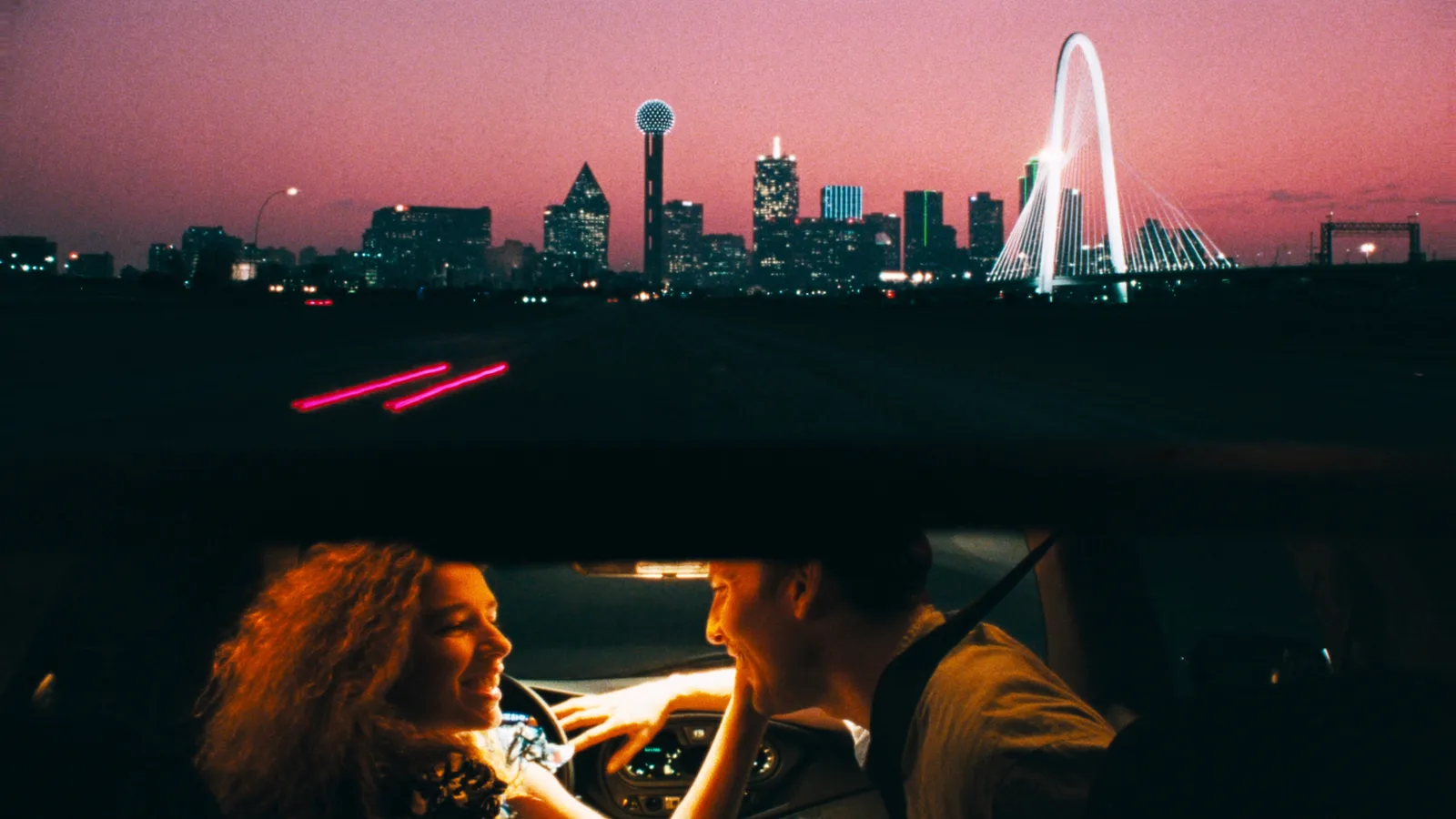
Hookups in Dallas have one rule that every local knows and every transplant learns the hard way: you do not cross the city twice in one night. Dallas is a car city, the districts that matter for casual dating are spread across a metro that takes an hour to drive end to end, and a match that is "12 miles away" in an app can be a 40-minute drive on the Tollway at 10 PM. The people who do well at casual dating in Dallas pick a district, stay in it, and let the app do the filtering inside that circle.
This guide is the local version of the Dallas hookup scene in 2026: which districts hold the casual crowd and what each one is like, how driving and ride-shares shape the plan, what the seasons do to a city that spends July indoors, how apps fit a spread-out metro, and the safety routine that a car-dependent city makes slightly different from a transit city.
How people meet in Dallas
Dallas socializes in scenes, not in neighborhoods the way New York does. There is a going-out crowd that rotates through the same three or four districts every weekend, a large young-professional population that arrived for corporate jobs in finance, tech, real estate and healthcare, and a student layer from the universities in University Park and in Denton and Arlington on the edges of the metro. Those groups overlap at bars, patios and the occasional big event, and they are where most in-person casual meeting happens.
The catch is that Dallas going-out is heavily group-based and heavily planned. People arrive in a group, they have a table or a reservation, and the crowd at a Dallas bar on a Saturday is less approachable than it looks. Talking to strangers happens, but it is not the default, and the patios that look like open social spaces are usually clusters of people who already know each other.
That is where apps take over. In a spread-out, group-oriented city, an app that filters by distance and by stated intent is how two people who would otherwise never be at the same patio find each other. The Dallas pattern that locals describe is app first, then a public meet in a district that works for both, then the rest. The bar is the second step, not the first.
The district map for Dallas hookups
Four districts carry most of the casual scene. Each one has a different crowd, a different peak, and a different relationship to the car.
Deep Ellum
Deep Ellum, just east of downtown, is the late-night district. Live music venues, dive bars, cocktail bars, breweries, murals, and a crowd that is younger, louder and more nightlife-first than anywhere else in the city. It runs late on weekends and it is the one Dallas district where walking between venues is normal, because the bars are concentrated along a few blocks of Elm, Main and Commerce. Parking is a fight on Friday and Saturday, so ride-shares are the default for anyone who plans to drink. It is the best district in Dallas for a same-night plan if both people are within a short drive, and it is also the district where the safety routine matters most, because it is crowded and it is late.
Uptown
Uptown, north of downtown along McKinney Avenue and the streets around it, is the polished version. Rooftop bars, upscale patios, wine bars, a young-professional crowd in their mid-twenties to mid-thirties who live in the apartment towers within walking distance, and a scene that peaks earlier than Deep Ellum. The historic trolley runs through it, which makes Uptown one of the only parts of the city where a car is not required for a first meet if you already live there. The crowd is dressier and the bars are more expensive. First meets here tend to be a drink on a patio and a decision by 10 PM.
Bishop Arts
Bishop Arts, across the river in Oak Cliff, is the walkable, independent, neighborhood option. Small restaurants, cocktail bars, coffee shops that turn into wine bars, a creative and slightly older crowd, and a scale that makes it feel like a small town inside a large city. It is a strong first-meet district because it is calmer than Deep Ellum, the venues are close together, and it has a natural "walk and talk" format built in. It is also on the other side of the river, which means a Bishop Arts plan needs both people to be south or west of downtown, or willing to make the drive.
Lower Greenville
Lower Greenville, northeast of downtown along Greenville Avenue, is the middle ground. Neighborhood bars, patios, beer gardens, late-night food, and a crowd that is more mixed in age and less scene-focused than Deep Ellum or Uptown. It is where locals go when they want to go out without making a production of it. The residential streets around it hold a large population of young professionals and recent graduates, which means a lot of the crowd lives within a short drive or walk. For a low-pressure first meet, this is often the best choice.
The rest of the metro
Knox-Henderson sits between Uptown and Lower Greenville and shares the crowd of both. The Design District and Trinity Groves have restaurant-and-cocktail scenes. Addison and Plano have their own bar strips for the northern suburbs and a lot of people never come into the city on a weeknight at all. Fort Worth is its own city with its own scene, 30 miles west, and a Dallas-to-Fort-Worth same-night plan is not a real plan. Denton is a college town an hour north and functions separately.
The car problem, and how to set the radius
In a transit city you set your distance filter in miles and think in train stops. In Dallas you set it in miles and think in drive time at the hour you will actually be driving. The Tollway, Central Expressway and I-35 all move differently at 6 PM, 10 PM and 1 AM, and a 10-mile distance can be 15 minutes or 45 depending on where those miles are.
The practical radius for a same-night plan in Dallas is whatever distance you can drive in about 20 minutes late in the evening. For someone living in Uptown, that covers Uptown, Knox-Henderson, Lower Greenville, Deep Ellum and downtown. For someone in Oak Cliff, it covers Bishop Arts and downtown and not much else. Set the app to 10 to 15 miles, then look at where the match actually lives before you plan.
Ride-shares change the math when drinking is involved, and they should. The Dallas norm for a first meet in Deep Ellum or Uptown is that both people take a ride-share, which also removes the "can I get a ride home with you" question that a car-dependent city otherwise creates. Decide your ride home before you leave the house.
Seasons in Dallas
Dallas summer is the constraint. From June through September the heat pushes the going-out scene indoors and later: patios open after sunset, and the same-night plan that starts at 7 PM in April starts at 9 PM in July. This is also when the app scene is strongest, because staying in during the day and going out late is the local rhythm.
Fall is the peak. October and November bring the weather that the patios were built for, the students are back, the football season gives the city a weekly social calendar, and the districts above are at their busiest. Locals treat fall as the best casual season of the year.
Winter is mild by northern standards and the scene stays open, with the occasional ice storm that shuts the city down for a day or two. Spring is short, warm and busy, and the first patio weekends in March function as a city-wide going-out event.
How apps fit the Dallas scene
Dallas has a large and active dating-app population, partly because the metro is spread out and partly because the group-based going-out culture makes cold approaches rare. The mainstream generic apps produce a lot of matches across the whole metro and a lot of conversations that die on logistics: two people who like each other and live 35 minutes apart on a weeknight.
Two features solve most of that. A distance filter that you set by drive time rather than by ambition, and intention tags, where a profile states up front whether the person is here for tonight, for something casual, for FWB or for something longer. Flava is a casual dating app built around those two levers, with selfie-verified profiles, anonymous registration and Pokes that let you message before matching. Whichever app you use, the Dallas method is: realistic radius, tag overlap, a specific district in the first message, and a video check before anyone gets in a car.
The peak activity window is 9 to 11 PM on most nights, and it shifts later in summer. For the full same-night method, the how to find a hookup tonight guide is the long version.
First-meet formats that work in Dallas
The patio drink. One drink on a patio in Uptown, Lower Greenville or Bishop Arts, 30 to 45 minutes, and an honest conversation about what happens next. It is the Dallas default and it works because it is public, low-commitment and easy to leave.
The Deep Ellum walk. Meet at one bar, walk the few blocks of Elm and Main to another, maybe catch part of a show. Walking between venues is the closest thing Dallas has to the walk-and-talk date, and it gives both people time to decide.
The late-night food stop. Tacos, a diner, a late-night pizza window near the district. Cheap, public, and the kind of 20 minutes that tells you whether the person is worth a second meet.
What does not work: a plan that crosses the metro, a "come over" first meet, or a dinner reservation for someone you have not video-checked. Dallas rewards a short, specific, one-district plan.
The safety layer in a car city
A car-dependent city changes two things about the first-meet routine. First, decide your own transportation and keep it. Do not get in a match's car for the first meet, and do not offer a ride home; a ride-share removes the question for both of you. Second, because districts are spread out and a friend cannot easily "be nearby," the friend-tell and the live-location share do more work than they do in a walkable city.
The rest is standard. A short in-app video call before you commit. One friend told which district and which bar. Live location shared for a few hours. A public first meet, always. Never move money for any "verification," "safety ID," ride deposit or gift card, and keep the conversation in-app until the video check is done. Talk about what you both want before anyone's apartment becomes the plan. The hookup etiquette guide covers the conversation, and how to stay safe on dating apps is the longer version.
Frequently asked questions
Which part of Dallas is best for hookups? Deep Ellum for the late-night and live-music crowd, Uptown for the polished young-professional scene, Bishop Arts for a calmer walkable first meet in Oak Cliff, and Lower Greenville for a low-pressure neighborhood-bar middle ground. The best district is the one both people can reach in about 20 minutes, because in Dallas the drive is what kills a same-night plan.
How far should I set my distance filter in Dallas? Around 10 to 15 miles on the app, then check where the match actually lives and what the drive looks like at the hour you would leave. Twenty minutes of late-evening driving is the realistic ceiling for a tonight plan. Dallas to Fort Worth, or Plano to Bishop Arts, is not a same-night distance no matter what the mileage says.
Is it safe to meet someone the same night in Dallas? Yes, with the routine adjusted for a car city: an in-app video call first, one friend told the district and the bar, live location shared, a public first meet, and your own ride-share both ways rather than getting into anyone's car. Never send money for any kind of verification or ride, and stay in-app until you have confirmed the person is real.
Keep reading
- Hookups near me: how to meet people nearby tonight — the hub guide covering radius, verification, intention tags and every city.
- Hookups in Houston — the other Texas car city, with Montrose and Midtown as the casual core.
- Hookups in Austin — three hours south, a college town that became a tech city.
- How to find a hookup tonight — the full same-night playbook.