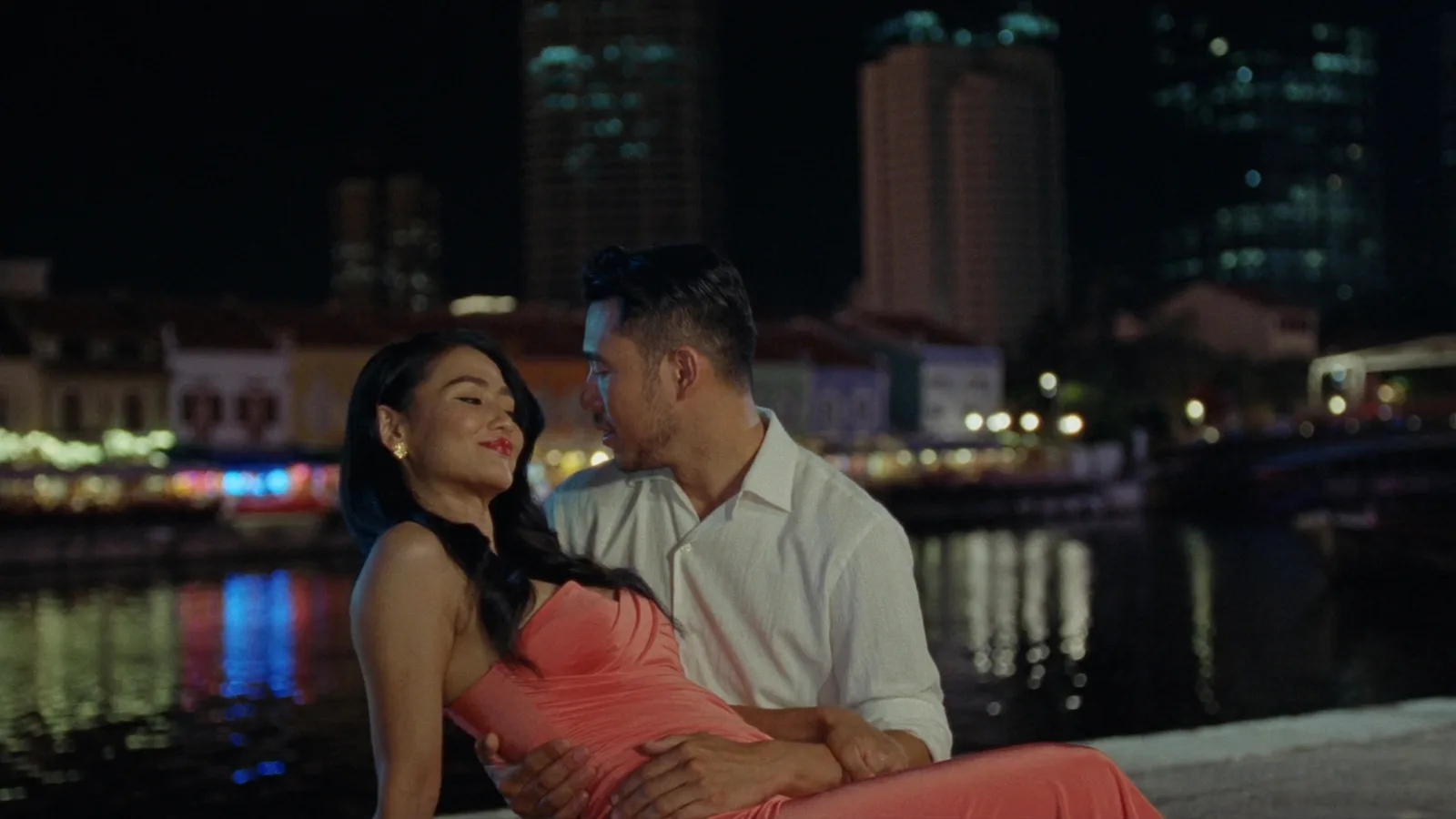
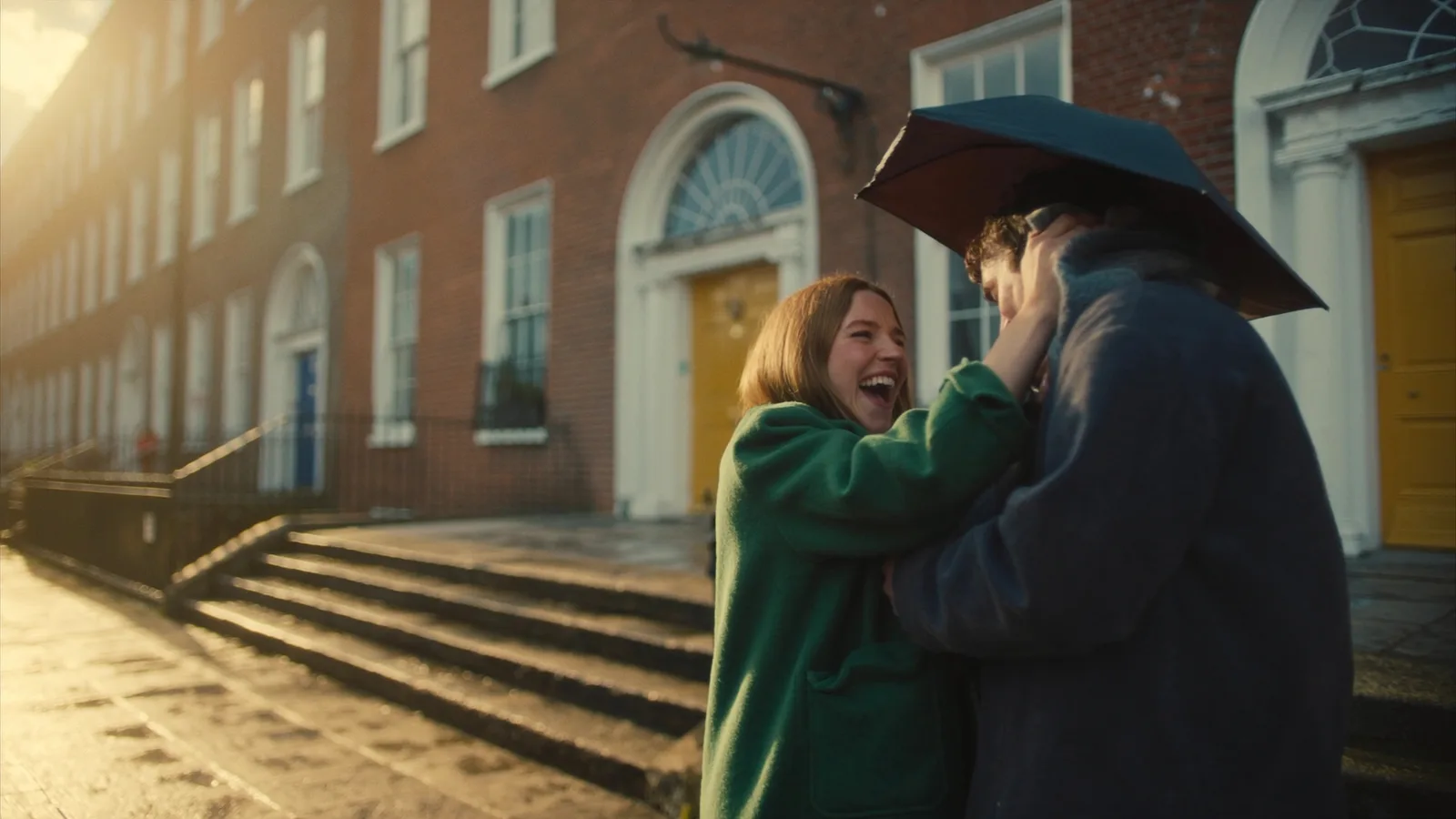
Dating apps in Ireland have a problem that apps in bigger countries don't: the person you just matched with was at your cousin's wedding, works with your sister, or hurled against your club in 2019. Ireland is small, the social graph is dense, and the old way of meeting — a pub, a friend of a friend, a nightclub at two in the morning — still shapes how people behave once they're on an app. That's why choosing a dating app here is a different exercise from choosing one in London or New York.
Whether you're weighing up Irish dating apps or the global ones everyone is already on, this is a guide to how, not which. No app names, no rankings, and no "best dating apps in Ireland" list that ranks marketing budgets. The apps change their pricing every year; the things that make one work in Dublin, Cork or a town of four thousand in the midlands don't.
How dating actually works in Ireland
Start with the culture, because the app has to fit it.
The pub is still the default. Most Irish social life runs through pubs, and most Irish dating historically started there — you met someone through a mate, had a few pints, maybe had the shift at the end of the night, and figured out the rest later. Apps didn't replace that so much as extend it: the app introduction now often leads to a pub first date, and the pub still does the work of making two Irish people admit they like each other.
Vagueness is a national sport. Irish people are famously slow to say what they want, in dating as in everything. "Sure we'll see" and "ah, no pressure" cover everything from a one-off to a serious relationship. On an app this is a real cost: without structured intention tags, you can chat for three weeks and still not know if you're on the same page. Apps that make people pick a label — casual, open to something, friends with benefits, just chatting — do the awkward work Irish people would rather avoid.
Everyone knows someone who knows you. Two degrees of separation is the norm, not the exception. That's why privacy features that feel optional elsewhere — anonymous registration, incognito mode, control over who sees your photos — are close to essential in Ireland, especially outside Dublin.
GAA, college towns and the calendar. County loyalty is real and shows up on profiles. The student calendar shapes the pool: Galway, Cork, Limerick, Maynooth and Dublin swell from September to May and thin out over the summer. Rag week, Christmas at home, the summer exodus on J1 visas — all of it moves the pool in ways an algorithm won't warn you about.
Dating apps in Dublin: what to expect
Dating in Dublin is the closest thing Ireland has to a big-city app market, and it behaves like one: a large, transient pool, a lot of people who moved here for tech, pharma or finance jobs, and a steady churn of house-sharers who'll be gone in eighteen months. Dating apps in Dublin work — the volume is there — but the volume creates its own problems.
The first is filtering. With this many profiles, intention tags and decent filters matter more than reach. Set your radius tight; Dublin 2, 4, 6, 7 and 8 are where most of the after-work dating happens, and someone in Swords or Tallaght is a real trek on a weeknight.
The second is housing. Most people under thirty-five in Dublin live in a house share, which shapes casual dating more than anyone admits. "Mine or yours?" is a logistics question about housemates, thin walls and who's home. Private albums, disappearing photos and screenshot protection matter in a city where your flatmate's friend might also be on the app.
The third is neighbourhood. Ranelagh and Rathmines lean young-professional and wine-bar; Stoneybatter, Smithfield and Phibsborough are the creative, cycling, craft-pint side of the city; Portobello and Camden Street are the walk-to-a-second-pub first-date zone; the Docklands are where the tech crowd lives and rarely leaves. A first date on the Luas green line is easier than one that needs a taxi across the Liffey, and Dubliners plan accordingly.
The Dublin verdict: pick an app with strong intention tags and a high verification rate, set the radius by transit not distance, and accept that the pool is big, mobile and slightly impersonal compared to the rest of the country. Summer evenings — long, bright until ten — are the city's strongest dating season; nobody wants to cross town in January rain.
Dating in Cork
Dating in Cork runs on a completely different scale. The pool is a fraction of Dublin's, which means two things: you'll see the same profiles again within a week, and you'll almost certainly match with someone who knows someone you know. Cork people will tell you this is a feature — the city is warmer, more local, less transient — and they're mostly right.
The centre is small and walkable, so first dates default to a pint or a coffee around Oliver Plunkett Street, Washington Street or the English Market area, with the city's food scene doing a lot of the second-date work. Douglas, Ballincollig and Blackrock are the settled-suburb side; UCC and MTU keep a student layer moving through from September to May, and the tech and pharma employers around the harbour bring a steady flow of people who arrived for a job and want a social life.
Because the pool is smaller, the app features that matter in Cork are the privacy ones: anonymous registration, incognito mode so you're not visible to your entire workplace, and control over who sees your photos. Widen your radius to include Cobh, Midleton and Kinsale — a Cork date that involves a short drive is normal in a way it isn't in Dublin.
The Cork verdict: apps work, but slower and more personally. Don't ghost — you will see them again — and don't treat "sure we'll see" as a no.
Galway, Limerick and the rest of the country
Galway is a student and arts town with the liveliest nightlife in the west squeezed into a few streets between Shop Street and the Spanish Arch, plus the Salthill prom for the daylight version. The pool is young, seasonal and social; dating here is as likely to start at a gig or a festival as on an app, and the app mostly speeds up what would have happened anyway.
Limerick is a bigger city than its reputation, with UL and a compact centre; Waterford, Sligo, Kilkenny and Athlone all have a small but real scene. Outside the cities, dating apps in Ireland mean widening the radius to 40 or 50 km, expecting a drive, and valuing anonymity above everything — the person you match with may well be in your parish.
Nearby: Belfast is its own scene, an Enterprise train away and on a different currency — the guide to casual dating in Belfast covers the Cathedral Quarter to Botanic.
What to check before you download
Verification as the norm, not the exception. Look for apps where most profiles have passed a selfie check. Optional verification means the people who plan to waste your time simply skip it. In a small country, a fake profile also does more damage, because it can borrow a real face that someone in your pool will recognise.
Anonymous registration. Can you create a profile without a phone number, an email attached to your real name or a social login? In Ireland this isn't paranoia; it's the difference between dating and being the topic of a WhatsApp group.
Intention tags you can filter on. Casual, friends with benefits, open to a relationship, just chatting — as a field, not a bio hint. This is the single feature that most directly counters Irish vagueness.
Free that's actually free. Two people on free accounts should be able to match, chat, send a voice note and arrange a pint. If the message box greys out until you pay, the app makes its money from you not connecting.
Protection on photos and chats. Screenshot and screen-recording protection, private albums and disappearing photos should be included, not upsold. On an island where everyone's cousin is on the same app, that's a safety feature.
The broader version of this checklist — including serious-relationship and niche apps — is in how to choose a dating app.
Free dating apps in Ireland: what "free" should include
Free dating apps in Ireland are a real category, but "free" is doing a lot of work in most listings, and the honest formula is worth spelling out. Genuinely free means downloading, creating a profile, verifying with a selfie, matching, and messaging after a match all cost nothing — so two people on free accounts can arrange a pint in Cork without either of them paying. Paid extras that speed things up (boosts, visibility, extra filters) are fine; they don't stop the free version working.
What isn't free, whatever the app store says: a "free" tier where you can match but not read messages, "someone likes you" notifications you can only open by paying, or safety features — screenshot protection, blocking and reporting — sold as a premium add-on. If the paid line sits before the conversation, the app makes its money from you not connecting.
The same test applies to free dating sites in Ireland, with the caveat that most of the "sites" that rank for that phrase are directories from another decade. The useful activity is in apps, where location, verification and in-app reporting actually work. Flava, as one factual example of the honest formula, is free to download, match, chat and verify, with optional paid extras.
Red flags
- Verification is offered, but hardly anyone in your feed has the badge.
- "Someone likes you" notifications you can only unlock by paying.
- Matches whose profiles haven't been active in months.
- Screenshot protection or other basic safety features sold as a premium add-on.
- Pricing hidden until checkout, or cancellation that needs an email to support.
- No visible block and report flow.
Two or more of these and you know how the app values you.
One factual note on where Flava sits: it's a casual dating app with anonymous registration, 90%+ selfie-verified profiles, screenshot and screen-recording protection and intention tags, free to download on iOS and Android. Judge it by the same checklist.
Frequently asked questions
Are dating apps in Ireland worth using outside Dublin? Yes, with a wider radius and different priorities. In Cork, Galway, Limerick and rural areas the pool is small and overlapping, so anonymous registration, incognito mode and photo protection matter more than volume. Expect to see the same profiles again, expect a date to involve a drive, and don't ghost — you'll run into them.
What's the biggest difference between dating in Dublin and dating in Cork? Scale and transience. Dublin has a large, mobile pool full of people who moved for work and live in house shares, so filtering and intention tags matter most. Cork is smaller, warmer and more local: everyone knows someone you know, so privacy features and basic manners matter most. Both run on the pub as the first-date default.
Which features matter most in a dating app for Ireland? Four things: a majority of selfie-verified profiles, anonymous registration, intention tags you can filter on, and a free tier where matched people can actually talk. In a small country, add incognito mode and screenshot protection — the odds that someone in your pool recognises you are high, and an app should let you control that.
Keep reading
- How to Choose a Dating App — the complete criteria for casual, serious and niche apps.
- Dating Apps in Australia — the same checklist for Sydney, Melbourne, Perth and the rest of the country.
- Casual Dating Apps in the UK — the same checklist across the water, from London to Belfast.
- Free Hookup Apps: Real vs Fake — how to spot a real free tier before you subscribe.
- What Is Casual Dating — what the intention tags actually mean, from FWB to situationships.